
Reviewed · TIMANFAYA VOLCANO TOURS
Volcano Hike – Timanfaya eruptions
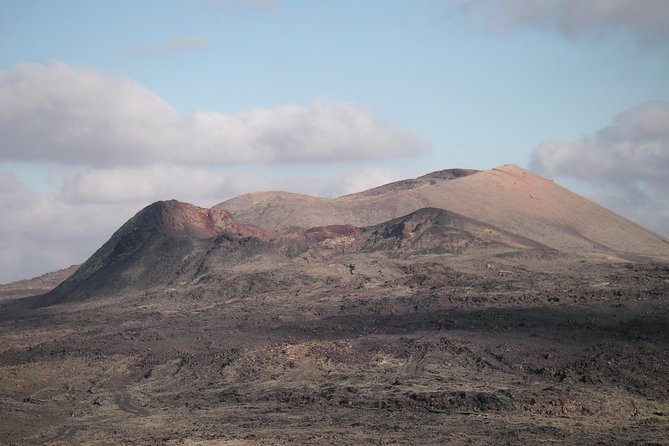
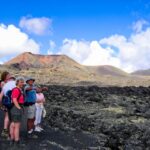
Lanzarote turns your footsteps into a story. This half-day volcano walk heads into the area where the Timanfaya eruptions started, then takes you through Los Volcanes Natural Park to see cones, craters, and lava flows up close while your guide connects it all to what happened in the 1700s. What I like most is the small group feel (often groups of eight) and the way guides like Jose and Raquel make the terrain feel understandable, not just dramatic.
One thing to plan for: the climb is easygoing, but it can feel chilly and windy once you’re out there, so bring warm layers even in decent weather.
In This Review
- Key Highlights Worth Planning Around
- Why This Timanfaya-Era Hike Feels Different Than a Drive-By
- Start Point, Pickup Zones, and What the Transport Means for You
- Walking Time, Pace, and What Low Intensity Really Looks Like
- Los Voles Natural Park: Cones, Craters, and the Eruption Story in Motion
- Lava Flows and Signs of Life: What to Watch for Beyond the Big Rocks
- Guide Power: How Jose and Raquel Make the Terrain Click
- Price and Logistics: Is $50.81 Good Value for a Half-Day?
- What to Bring (Because This Is Outdoors, Not a Museum)
- Who This Tour Suits Best (and Who Might Want Another Option)
- Should You Book This Volcano Hike in Lanzarote?
- FAQ
- Where does the Volcano Hike start and end?
- Is hotel pickup available?
- How long is the tour?
- How strenuous is the hike?
- What’s included in the price?
- Are meals included?
- What language is the tour in?
- How big are the groups?
- What weather issues should I expect?
Key Highlights Worth Planning Around
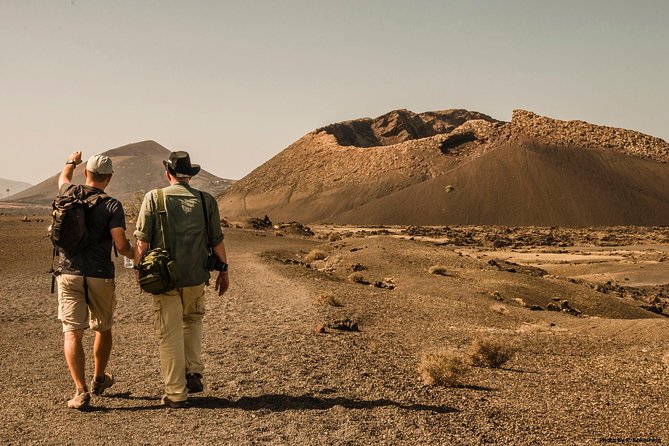
- Timanfaya-era setting: you’re walking where the eruptions began, not just looking at them from afar.
- Small group size: limited to a maximum of eight for a more personal feel (with an overall max of ten).
- Crater top views: you’ll walk up to a volcano top to see the crater.
- Lava flows up close: you’ll hike across different volcanic surfaces and structures.
- Learn and watch at the same time: plant and animal life are part of the story, not an afterthought.
- Included snacks and water: built in for the 4–5 hour walking window (including transfers).
More ways into the Timanfaya fire mountains
- Lanzarote: Timanfaya National Park Volcanic Craters Tour★ 4.3 · 2,097 reviews
- Arrecife: Timanfaya and Green Lagoon for Cruise Passengers★ 4.6 · 2,010 reviews
- Lanzarote: Timanfaya Park and Jameos del Agua Full-Day Tour★ 4.5 · 1,977 reviews
- Lanzarote: Timanfaya Park, Jameos Agua, & Cueva Verdes Tour★ 4.5 · 1,876 reviews
Why This Timanfaya-Era Hike Feels Different Than a Drive-By
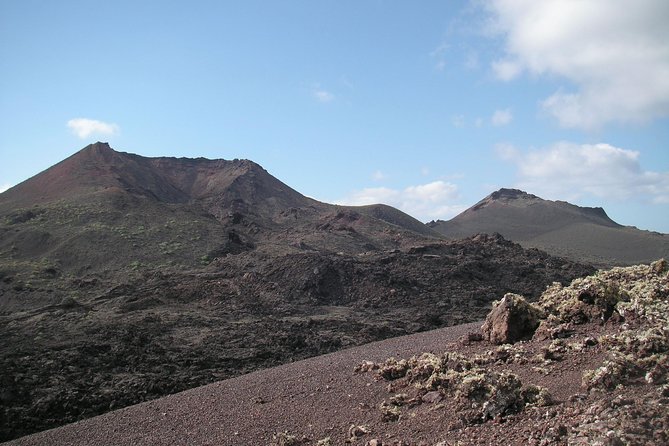
Most Lanzarote sightseeing is fast. This one slows you down on purpose. You’re not taking a road-trip tour of volcanoes—you’re walking through the same kinds of features created by the eruptions, including volcanic cones, craters, and old lava structures.
The big win is how the guide ties the physical shapes to the 1700s eruption story. Instead of memorizing facts, you learn by seeing: why certain slopes look the way they do, how lava flows form, and why some areas end up with more life than you’d expect. And because it’s a guided walk, you’re also getting help spotting details you might otherwise miss, like traces of plants finding a way in a volcanic environment.
Start Point, Pickup Zones, and What the Transport Means for You
This tour uses a central meeting point in Tinajo: LZ-56, 80, 35560 Tinajo. If you’re not picked up, you’ll still be able to join from there, and the tour ends back at the meeting point.
Pickup is offered only in specific areas: Costa Teguise, Arrecife, Puerto del Carmen, and Puerto Calero. If you’re staying outside those zones (or in Playa Blanca and nearby areas), you need to contact the operator before booking because pickup restrictions apply.
What this means in real life: you’ll spend less time worrying about getting yourself to the trail area, but you should double-check your hotel zone early. Also, if you’re cruising, you’ll need to provide your ship name and timing details so the plan can work with disembarkation and re-boarding.
The ride itself is by an air-conditioned minivan, which is a nice touch when Lanzarote weather shifts or if you’re arriving in midday heat.
Walking Time, Pace, and What Low Intensity Really Looks Like
The full experience runs about 4 hours (roughly 4 to 5 hours including transfers). The walking is described as low intensity, and the guides keep it slow and steady. You’ll get frequent pauses to learn, take photos, and catch your breath.
From the way the tour is run, it’s not a “power-hike” day. One review vibe you’ll likely feel is: you’re meant to enjoy the ground under your feet and the views ahead, not just finish a route as quickly as possible.
Still, low intensity doesn’t mean zero effort. You’ll be moving across volcanic terrain that can vary from gravel and sand-like areas to rougher lava-stone surfaces. If you don’t wear decent shoes, you’ll feel it. Bring something with grip, and if you’re sensitive to cold winds, dress for that too.
Los Voles Natural Park: Cones, Craters, and the Eruption Story in Motion
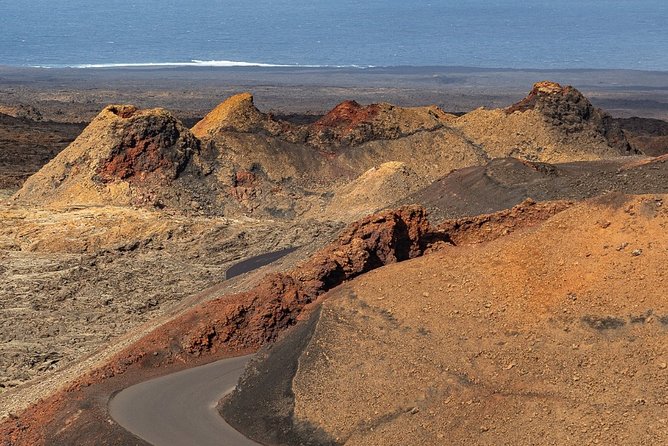
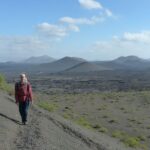
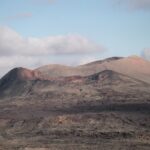
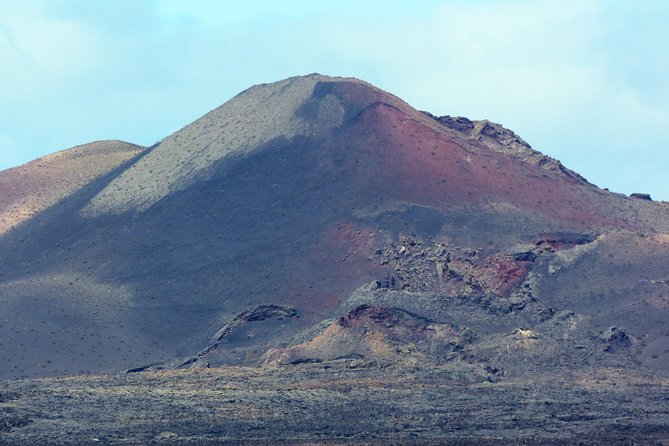
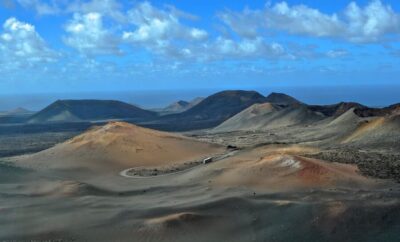
This is the heart of the experience. You’ll spend time in Los Volcanes Natural Park, and the walk is built around features from the eruption zone.
Here’s what to expect during the main walking segments:
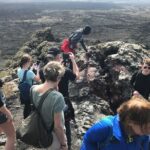
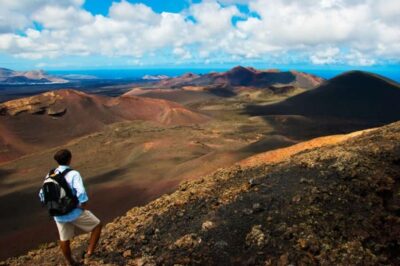
- A walk up to a volcano top to see an impressive crater firsthand.
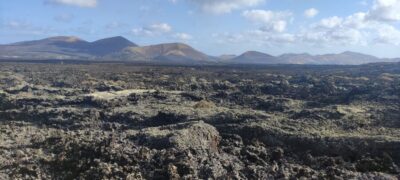
- Hiking along formidable lava flows, where you can visually track the shape of what solidified.
- Stopping to understand what you’re seeing, with an emphasis on how the 1700s eruption shaped the terrain.
What makes this meaningful is that volcanoes can look like “cool rocks” until someone shows you how the forms connect. The guide’s job here is to help you read the ground like a map. You’ll also learn why the area is considered important, not just scenic, because the eruptions are tied to a major moment in human history (with the tour framing it as among the most important in the last 500 years).
Drawback to watch for: if you’re expecting a long, dramatic summit hike, this is more of a guided medium trek with stops. It’s designed for most travelers, but it’s still outdoors, still time on your feet, and still on uneven volcanic ground.
Lace up for more volcano hikes and trails
Lava Flows and Signs of Life: What to Watch for Beyond the Big Rocks
A common mistake with volcano tours is treating them like dead scenery. This one pushes you to look at the smaller clues. As you cross the lava fields and move along volcanic structures, you’ll also be encouraged to look for plant and animal life.
You might notice how hardy plants establish themselves in the cracks and edges where conditions allow. You may also see signs of life that feel surprising in a setting that looks moonlike from a distance.
This part is one of the most practical values of a guided walk: a guide can point out what to look for, and you leave with a fuller understanding of how life can return to places that were once entirely shaped by fire and stone.
Guide Power: How Jose and Raquel Make the Terrain Click
The guide can make or break this kind of tour, and the feedback on both Jose and Raquel is consistently strong. The pattern is clear: they’re friendly, upbeat, and they explain things in a way that matches what you’re seeing right now.
You’ll get:
- Frequent stops that make the learning feel paced, not rushed.
- Answers to questions on the spot.
- Help when the terrain gets tricky, with the guide looking after safety at challenging passages.
Two extra details that came through in the experience: some guests noted the guides provided extra jackets or coats if you were underdressed, and the group was often ready with snacks and water right from the start. That kind of small care matters on a windy volcanic day.
If you’re booking specifically for English, the tour is offered in English, and the guide team may also speak other languages (one review noted Spanish and French). Either way, you should expect clear explanations and a lively Q&A vibe.
Price and Logistics: Is $50.81 Good Value for a Half-Day?
At $50.81 per person, the value stacks up because you’re not just paying for the park visit—you’re paying for the whole execution:
- Hotel/port pickup and drop-off (limited to certain zones)
- Air-conditioned minivan transport
- A professional guide and small-group format
- Snacks and bottled water included
- A guided walking experience that lasts long enough to feel like an excursion, not a quick photo stop
What I think you should weigh is your own priorities:
- If you prefer small groups over big bus crowds, this format is a strong match.
- If you want a guided understanding of the eruption era, the guide time is a real part of the price.
- If you’re traveling from outside pickup zones, your “value math” shifts slightly since you may need to get to Tinajo on your own.
Also, book ahead. The tour is commonly booked around 21 days in advance, and the group is intentionally small, so waiting can cost you the date.
What to Bring (Because This Is Outdoors, Not a Museum)
The tour includes snacks and bottled water, but you still want to show up prepared for volcanic walking and weather.
My practical packing list:
- Good walking shoes with grip
- Warm layers (winds can make it feel chilly)
- A light rain layer or something that helps with wind-driven mist if conditions look unstable
- Your camera (you’ll want photos, and you’ll get stops for them)
If you forget a warm layer, there’s a chance the guide team may have an extra jacket or coat available, but don’t count on it. Better to handle it yourself.
Who This Tour Suits Best (and Who Might Want Another Option)
This is a strong fit if you:
- Want a guided volcano experience, not just driving viewpoints
- Prefer small groups with more interaction
- Like learning as you walk—craters, cones, lava flow features, and the 1700s eruption story
- Don’t want a grueling day. The climb is described as low intensity and slow-steady.
It may be less ideal if you:
- Have very limited mobility or struggle with uneven volcanic terrain
- Expect long stretches of flat ground (the route includes different surfaces)
- Are unwilling to dress for wind and cool air outdoors
Most people can participate, but your comfort level with outdoor walking should guide your decision.
Should You Book This Volcano Hike in Lanzarote?
If your goal is to understand Lanzarote’s volcanic world in a way that actually sticks, this is an easy yes. The mix of crater-top walking, lava flow terrain, and the guide-led explanation of how the 1700s eruptions shaped the area is exactly the kind of half-day that pays off later when you look at volcanoes on the horizon and think, I get it.
Book it sooner if you can. The group size is capped, it runs only a few hours, and it’s one of those experiences that’s hard to replace with a random self-guided stop.
If the only thing you care about is convenience or staying strictly comfortable, then you might compare it to a less active option. But if you’re okay with a guided trek and you want a real sense of place, this one belongs on your Lanzarote list.
FAQ
Where does the Volcano Hike start and end?
The tour starts at LZ-56, 80, 35560 Tinajo, Las Palmas, Spain. It ends back at the meeting point.
Is hotel pickup available?
Pickup is offered only in Costa Teguise, Arrecife, Puerto del Carmen, and Puerto Calero. If you’re not staying in those areas, contact the provider before booking to confirm options. There are also restrictions for Playa Blanca and nearby areas.
How long is the tour?
Plan for about 4 hours total, including transfers. The hike itself is typically described as a 4- to 5-hour walking experience when you include transfers.
How strenuous is the hike?
It’s a low-intensity walk with a slow and steady climb. It’s not described as difficult or strenuous, but it is still outdoors on uneven volcanic terrain.
What’s included in the price?
Hotel/port pickup and drop-off (where available), transport by air-conditioned minivan, a professional guide, a small-group walking tour, snacks, and bottled water.
Are meals included?
Food and drinks are not included unless specified. Snacks and bottled water are included.
What language is the tour in?
The tour is offered in English.
How big are the groups?
The group is limited to a maximum of eight for a more personalized experience, and the activity lists a maximum of 10 travelers.
What weather issues should I expect?
This experience requires good weather. If it’s canceled due to poor weather, you’ll be offered a different date or a full refund.
More Volcano Trails to Walk
Timanfaya, a Few More Ways In
Not quite right? More Lanzarote tours and day trips we have been out on


Timanfaya Volcano Tours, compared.
 ★ 4.3Timanfaya National Park Volcanic Craters TourFrom $672,097 reviews
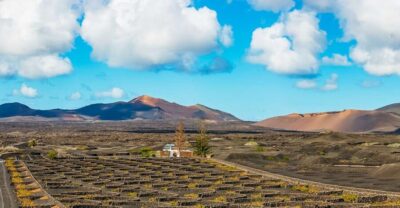 ★ 4.6Timanfaya and Green Lagoon for Cruise PassengersFrom $582,010 reviews
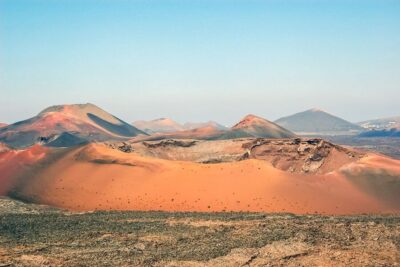 ★ 4.5Timanfaya Park and Jameos del Agua Full-Day TourFrom $881,977 reviews
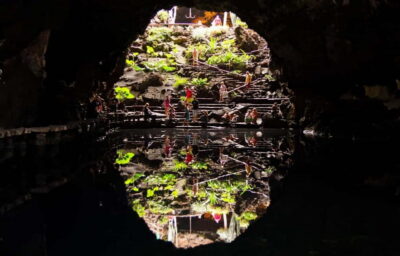 ★ 4.5Timanfaya Park, Jameos Agua, & Cueva Verdes TourFrom $1011,876 reviews
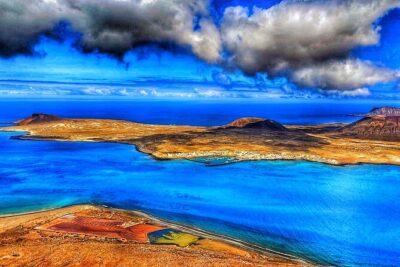 ★ 5.0Tour to Timanfaya, Jameos del Agua, Cueva de los Verdes and viewpoint from the cliffFrom $1081,381 reviews
 ★ 4.5Timanfaya And El Golfo For Cruise Passengers (Mornings)From $66944 reviews
 ★ 4.4Arrecife/Playa Blanca: Timanfaya National Park Area Day TourFrom $77856 reviews
 ★ 4.8Timanfaya Natural Park Trekking TourFrom $55766 reviews
Browse the lists this tour appears in