
Reviewed · CATAMARAN & SUNSET SAILING CRUISES
Whale & Dolphin Observation on Silent Catamaran with Hydrophone
Silent catamaran. Silent ocean.
This 4-hour whale and dolphin trip in Lanzarote is built around quiet, emission-free sailing and a hydrophone you can use to hear what these animals are doing out on the open sea. I like the small-group feel, with a maximum of 12 people on a 14-meter catamaran, so you’re not stuck craning your neck the whole time.
The main drawback is expectation-setting around the hydrophone. The hydrophone isn’t guaranteed to be active the entire sail; it’s used when whales or dolphins are vocalizing and when positioning makes sense for listening.
Still, with snacks and drinks on board, a long run offshore, and an NGO-backed conservation angle through WeWhale Association, this can be a smart, value-minded way to do wildlife viewing—especially if you’re okay with wildlife being wild and sometimes far away.
In This Review
- Key things to know before you go
- Puerto Calero start: getting on board without stress
- Silent and emission-free: what that changes for your whale trip
- Hydrophone reality check: when you’ll actually hear whales and dolphins
- Whale and dolphin spotting at a respectful distance
- What the 3–4 hour itinerary feels like in real time
- Onboard comfort: snacks, drinks, and the nippy sea breeze
- Conservation angle: where your money goes
- Price and value: is $114.65 worth it?
- Who should book this catamaran trip in Lanzarote
- Should you book Whale & Dolphin Observation with Hydrophone?
- FAQ
- How long is the whale and dolphin observation trip?
- Where is the meeting point, and what time does it start?
- Is the catamaran silent and emission-free?
- Does the hydrophone play during the whole trip?
- What is the group size?
- Are snacks and drinks included?
- What happens if the weather is bad?
Key things to know before you go
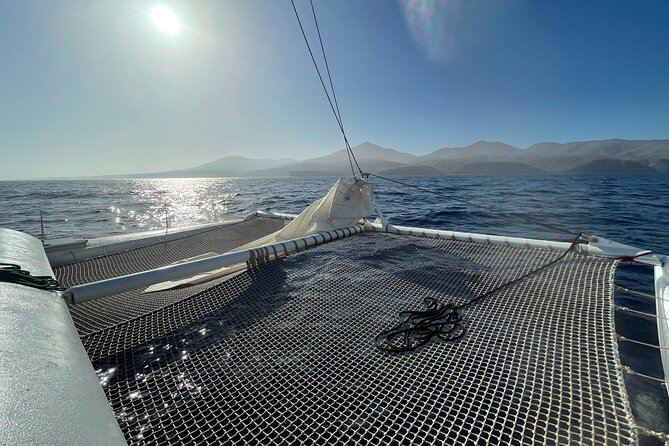
- Silent, emission-free catamaran sailing from Puerto Calero to reduce disturbance while you watch for cetaceans
- Hydrophone use is situational and depends on when animals are vocalizing and where you are on the water
- Max 12 people on a 14m catamaran means more space and better chances to see the action
- Snacks and drinks included helps you stay comfortable during the 3–4 hour time at sea
- Responsible wildlife approach means no chasing if animals don’t come close
- Ticket supports marine conservation via WeWhale Association, including Save The Iberian Orca
More catamaran runs and sunset sailings
- Lanzarote: Dolphin-Watching Sunset Cruise with Transfers★ 4.2 · 2,435 reviews
- Puerto del Carmen: Dolphin-Watching Speedboat Tour with Swim★ 3.7 · 1,807 reviews
- From Lanzarote: Sailing Day Trip Around La Graciosa★ 4.4 · 1,043 reviews
- Lanzarote: Day Trip to the Papagayo Beaches by Catamaran★ 4.4 · 913 reviews
Puerto Calero start: getting on board without stress
This tour runs out of Puerto Calero, starting at 9:00 am. Your meeting point is WeWhale Lanzarote, C. Pantalanes, 35571 Puerto Calero, Las Palmas, Spain, and the trip ends back at the same spot.
The boat itself is a 14-meter catamaran with a max of 12 people. That size matters: on a small vessel, you move and look as a group rather than getting swallowed by a crowd, and you’re less likely to lose sightlines when someone shifts position.
You’ll have a mobile ticket, and the experience is offered in English. Service animals are allowed, and most people can participate—so the big “prep” isn’t athletic. It’s weather-smart planning.
Silent and emission-free: what that changes for your whale trip
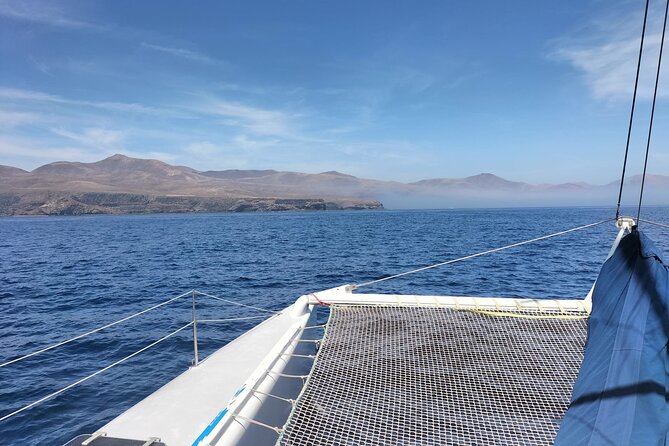
The headline here is the 100% silent and emission-free catamaran. In plain terms, that’s about reducing noise and emissions while you’re on the water—two things that can make wildlife watching feel less stressful for animals and more pleasant for you.
When you’re chasing sightings, it’s easy to forget how loud normal boating can be. A quieter boat lets you focus on what’s happening, not on engine roar, and it fits the trip’s responsible viewing approach: you go offshore, you watch closely, and you don’t force the encounter.
This is also why the hydrophone concept works better with the boat design. If you’re already on a quieter vessel, you’re more likely to notice when the crew cues you to listen or reposition.
Hydrophone reality check: when you’ll actually hear whales and dolphins
The hydrophone is the feature people remember, so it deserves a straight answer. The hydrophone is carried on board, but it’s typically used when the crew is in the presence of vocalizing whales or dolphins—especially when there’s a group of dolphins active in sound.
That means you might not hear much during the whole outbound or the whole inbound run. If you’re hoping for constant audio like a nature documentary, you’ll want to go in with a flexible mindset. The best listening moments come when the animals are calling and the crew can set you up to listen.
What I like about this approach is that it avoids fake hype. You’re not getting random noise and pretending it’s whale talk. You’re getting a listening tool that’s actually used when it’s likely to produce something worth hearing.
If the hydrophone isn’t being used, ask the crew what they’re waiting for. One useful strategy is to stay attentive even when you’re not hearing anything—keep scanning, because the moment sightings happen is when the experience shifts.
Whale and dolphin spotting at a respectful distance
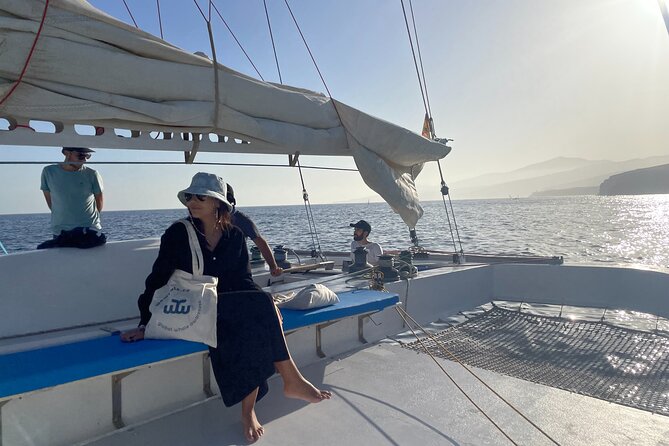
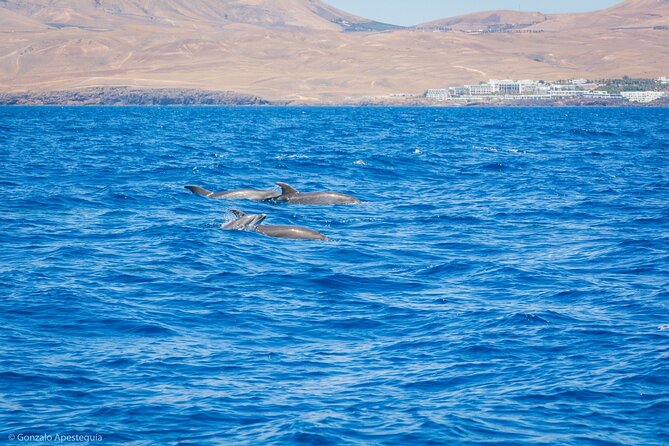
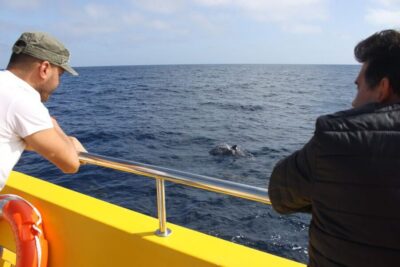
A big part of the trip is the “responsible and respectful wildlife viewing” approach. Practically, that means the boat stays far enough away that animals aren’t disturbed, and it won’t chase if wildlife decides not to come closer.
That can be disappointing if you’re picturing whales surfacing right next to the hull. One downside that can happen is distance: from far offshore, even when you spot a spout or a tail slap, the details can be harder to see.
The good news: binoculars are on board, and you can use them. If you care about seeing the whale body shape or the blow more clearly, grab the binoculars early and find a stable viewing spot before the next sighting.
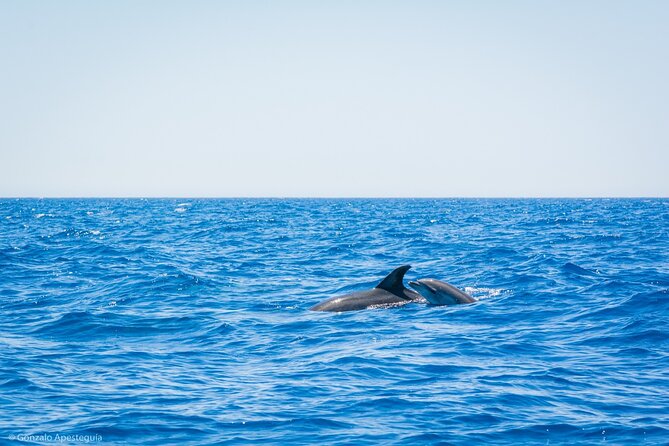
On good days, whales and dolphins can both show up. Even if dolphins are the main target, you can still get a solid whale moment—so I’d treat dolphins as a bonus rather than a guarantee, and whales as the other half of the equation.
More dolphin spotting and sea safaris


What the 3–4 hour itinerary feels like in real time
The schedule is simple: you depart Puerto Calero, sail out toward the open sea, then return after about three to four hours. There aren’t lots of land stops or complicated transitions, which is exactly what you want when your goal is the water.
Here’s how the time typically plays out, and what to focus on:
- Outbound run: use the early part to get your bearings, learn where to look, and settle in with the boat’s motion. This is also when crew explanations and scanning routines usually matter most.
- Offshore viewing window: this is the long stretch where attention pays off. Watch for surface signs like spouts and sudden breaks in the water, and be ready to move your eyes quickly rather than locking onto one spot.
- Inbound return: sightings can happen on the way back. If you just got tired of watching, re-focus—this is often when nature reminds you that it’s not on your timetable.
The trip is approximate for duration, so plan your day around a chunk of time rather than a tight connection. If you’re pairing it with dinner plans, aim for a relaxed schedule afterward.
Onboard comfort: snacks, drinks, and the nippy sea breeze
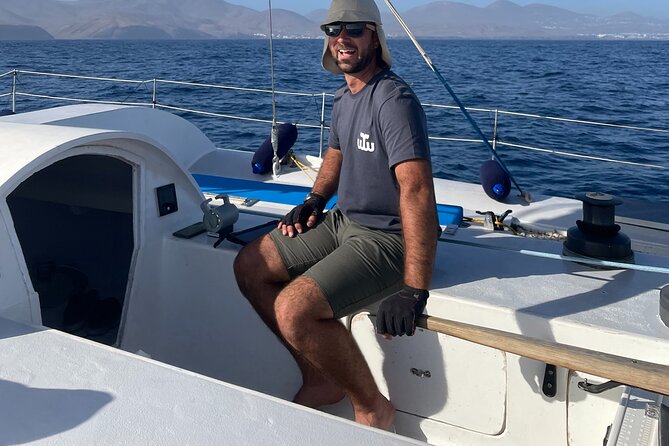
Yes, you get snacks and drinks on board. That’s a big deal on a trip that can feel cooler than you expect, even in the sun. On catamarans, breeze is real, and clouds can roll in fast.
Bring layers. If you tend to feel cold easily, treat this as a rule, not a suggestion. Even when the deck looks warm, wind + open water can make you want a jacket in the middle of the ride.
The overall vibe is practical rather than fancy: you’re there to watch wildlife, not to dress up. Still, the boat being clean and well kept helps the experience feel calm.
Conservation angle: where your money goes
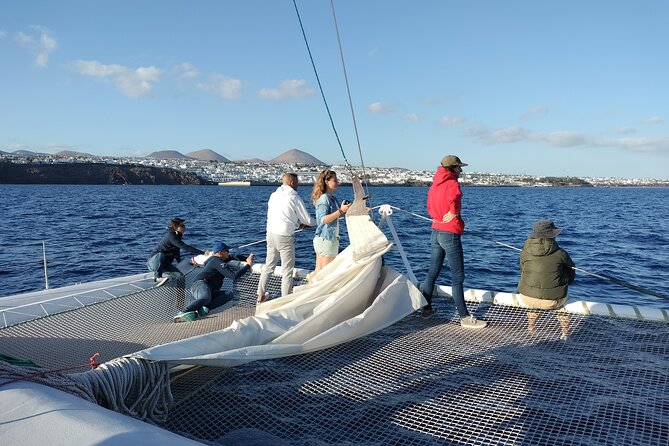
This isn’t just whale spotting for the photo. A portion of the ticket price supports marine conservation campaigns developed by an NGO linked to the operator, WeWhale Association.
One campaign named in the provided info is Save The Iberian Orca. Even if you don’t know the campaign details before you go, it’s good to see your ticket tied to real protection work rather than only to the outing itself.
Keep your expectations grounded, though. Conservation funding can’t guarantee sightings on the day you book. What it does do is support longer-term efforts that make future encounters more likely.
Price and value: is $114.65 worth it?
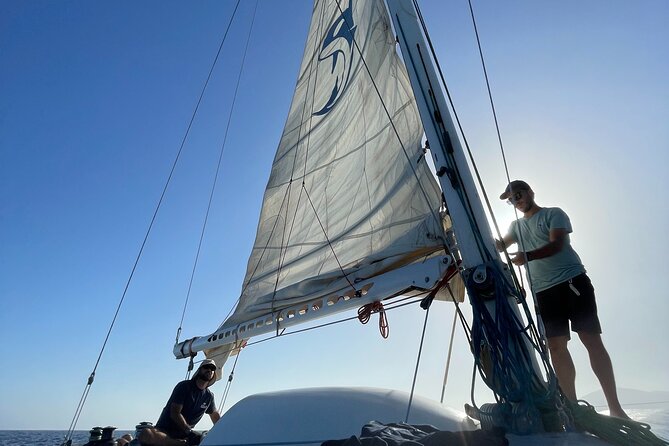
At $114.65 per person for about four hours, the value comes from four places:
- Small group size (max 12) on a 14-meter catamaran
- Silent, emission-free sailing as part of the wildlife approach
- Hydrophone listening as an add-on when conditions and animal behavior line up
- Snacks and drinks included, plus a conservation-support component via WeWhale Association
If you measure value by comfort, quiet sailing, and the chance to hear cetaceans when they’re vocalizing, this can be a fair deal.
If you measure value strictly by closeness to animals or by guaranteed dolphins, then it may feel expensive—because the responsible viewing policy keeps distance. In other words: you’re paying for a method, not for a certainty.
My take: for the people who want a more ethical, calmer way to do wildlife watching—and don’t mind that nature sometimes stays just out of perfect camera range—this price can make sense.
Who should book this catamaran trip in Lanzarote
This works especially well if you:
- care about quiet, emission-free wildlife viewing instead of louder speed-boat style tours
- want a small-group experience where you can actually see and hear instructions
- like learning as you go, since there’s time on board for explanations
- want snacks and drinks handled so you can focus on the sea
It might not be your best match if you’re the type who needs constant hydrophone audio or expects animals to approach the boat. The hydrophone is used when it makes sense for listening, and the crew won’t chase whales or dolphins.
Weather matters too. The experience requires good weather, and if it’s canceled due to poor conditions, you’ll be offered another date or a full refund. So if you’re booking this as your one and only marine activity, keep that flexibility in mind.
Should you book Whale & Dolphin Observation with Hydrophone?
I’d book it if your goal is a respectful, quieter wildlife outing from Puerto Calero, with the hydrophone as a real bonus rather than a guaranteed soundtrack. The best version of this tour is the one where you’re attentive, layered up for wind, and open to distance viewing.
I’d think twice if you’re coming in with a checklist like: hydrophone must be on constantly, dolphins must be seen, and whales must be close enough for detailed viewing. That’s not how ethical wildlife encounters work.
A practical way to make the decision: treat this as a sustainable catamaran experience where wildlife sightings are the payoff, not as a sure thing. If you like that style of day, this is a very solid option.
FAQ
How long is the whale and dolphin observation trip?
It lasts about 4 hours, approximately. The sailing time offshore and back to Puerto Calero is roughly three to four hours.
Where is the meeting point, and what time does it start?
You meet at WeWhale Lanzarote, C. Pantalanes, 35571 Puerto Calero, Las Palmas, Spain. The start time is 9:00 am, and the activity ends back at the meeting point.
Is the catamaran silent and emission-free?
Yes. The tour uses a 100% silent and emission-free catamaran.
Does the hydrophone play during the whole trip?
No. The hydrophone is typically used when the crew is in the presence of vocalizing whales or dolphins, so you shouldn’t expect it to be deployed for the entire journey.
What is the group size?
There is a maximum of 12 travelers per tour, which helps keep the experience spacious on board.
Are snacks and drinks included?
Yes. Snacks and drinks are offered during the trip.
What happens if the weather is bad?
The experience requires good weather. If it’s canceled due to poor weather, you’ll be offered a different date or a full refund.
More Dolphin & Sea Safari Trips
More Catamaran Sailings off Lanzarote
Not quite right? More Lanzarote tours and day trips we have been out on

Catamaran & Sunset Sailing Cruises, compared.
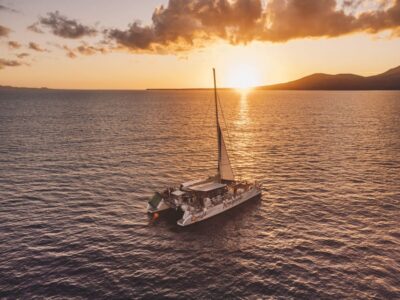 ★ 4.2Dolphin-Watching Sunset Cruise with TransfersFrom $602,435 reviews
 ★ 3.7Dolphin-Watching Speedboat Tour with SwimFrom $411,807 reviews
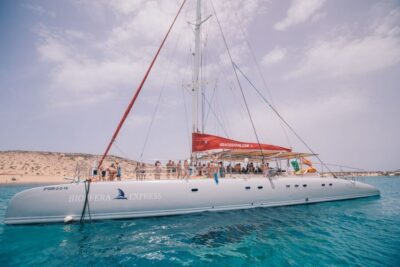 ★ 4.4Sailing Day Trip Around La GraciosaFrom $811,043 reviews
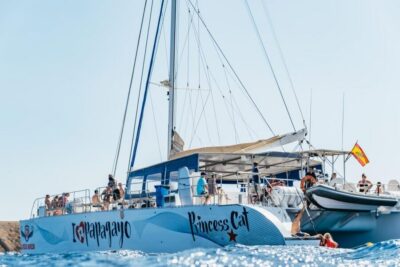 ★ 4.4Day Trip to the Papagayo Beaches by CatamaranFrom $75913 reviews
 ★ 5.0Catamaran Sailing in LanzaroteFrom $90793 reviews
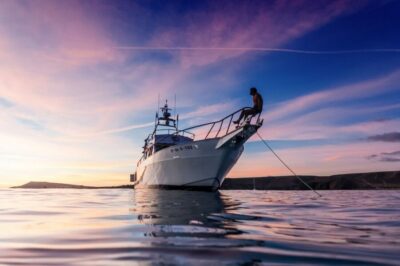 ★ 4.8Half-Day Chill Out Cruise at Papagayo BeachFrom $68334 reviews
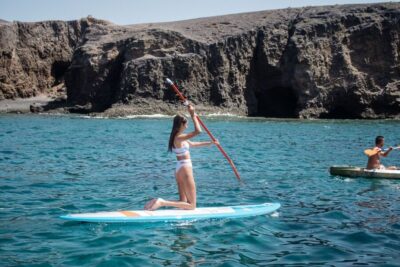 ★ 4.8Luxury Sailing Excursions to PapagayoFrom $88333 reviews
 ★ 4.5Catamaran Cruise to Papagayo beaches, lunch and water activitiesFrom $77288 reviews
Browse the lists this tour appears in