
Reviewed · FAMARA SURF LESSONS
Lanzarote’s First Surf School – 2-hour or 4-hour classes
Famara Beach makes surfing feel possible fast. This Lanzarote surf school pairs 30+ years of instruction with a focused setting at Famara Beach, so you spend more time learning and less time guessing. I like the clear teaching style, the way safety gets explained before anyone heads out, and the fact you can choose beginner or intermediate coaching.
One thing to plan around: this lesson is not for everyone. If you’re a non-swimmer or have heart problems, it’s not a fit, and you should expect to be in the water working through basic skills.
In This Review
- Key highlights
- Why Famara Beach is such a smart place to learn
- Your 2-hour or 4-hour lesson: what changes
- What’s included (and why it matters for beginners)
- Meet the instructors: 30+ years of coaching in plain language
- How the day flows: from meeting point to first wave attempts
- Small group lessons (up to 8): the sweet spot for real progress
- Beginner vs intermediate: choosing the right class level
- Private lessons: faster feedback, less waiting
- Equipment and comfort: wetsuits, towels, and the not-so-glam reality
- Safety expectations: what the lesson does (and doesn’t) allow
- Languages and communication: getting instructions you can trust
- Price and value: is $59 reasonable here?
- Who this surf school is best for
- Practical tips so you don’t waste your first session
- Should you book this surf class?
- FAQ
- Is this surf school good for beginners?
- What’s included in the class price?
- Are the lessons small groups?
- Can I book a private surf lesson?
- What languages are the instructors available in?
- What should I bring with me?
- Is it safe for non-swimmers or people with heart problems?
- What’s the cancellation policy?
Key highlights
- Small groups (up to 8) for more hands-on attention without the pressure of a crowd
- Beginner and intermediate options so you’re not stuck doing the wrong level all session
- ISA + RLSS-certified instruction with a safety-first approach
- Everything you need included: surfboard and wetsuit, plus transport from the surf school to the beach
- Multi-language coaching in English, Spanish, Italian, and French
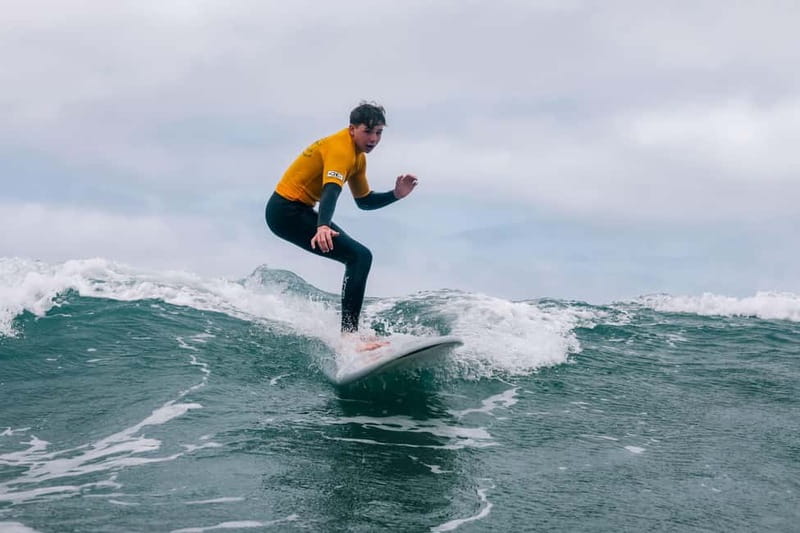
- Experienced instructor support, including patient coaching that helps when the waves feel intimidating
More surf lessons out at Famara
- Surf class in Famara 9:15-12:00 or 11:45-14:30 (2h class)★ 5.0 · 199 reviews
- Surf lessons in Famara 9:15-14:30h (4 hours of class)★ 5.0 · 173 reviews
- Lanzarote: Famara Beach Surfing Lesson for All Levels★ 4.8 · 164 reviews
- Famara Beach: Surfing Lessons with Videos★ 4.9 · 147 reviews
Why Famara Beach is such a smart place to learn
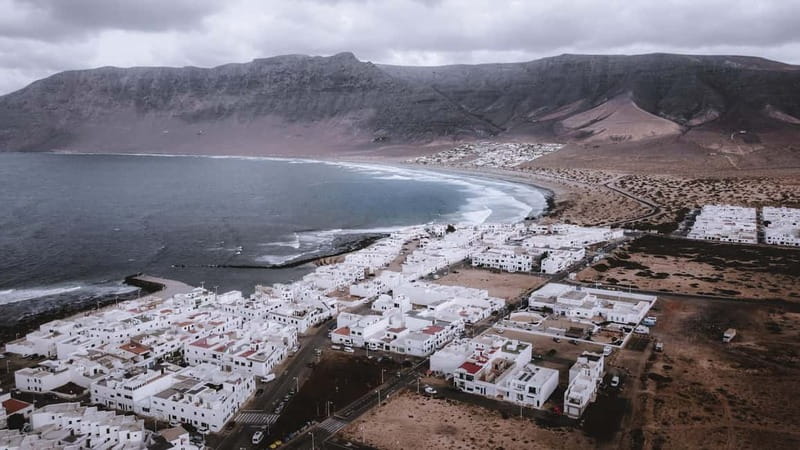
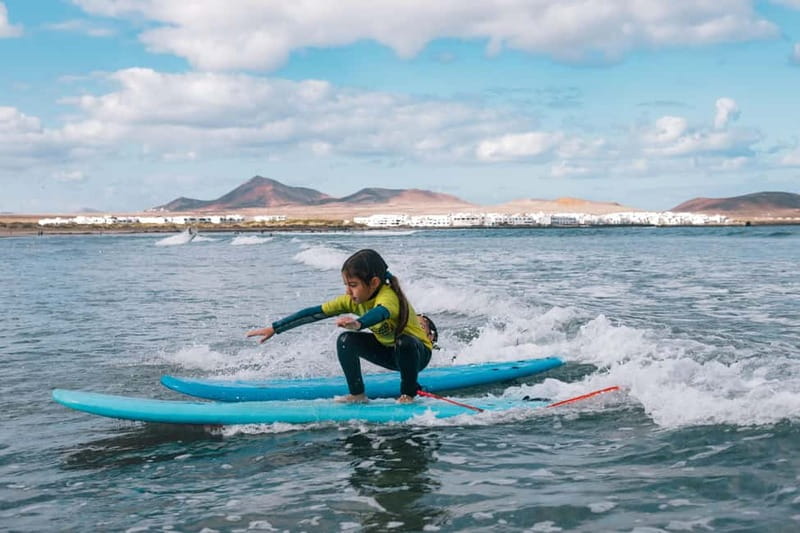
Famara Beach is one of those rare locations where the “learning to surf” part and the “wow, the ocean is huge” part happen at the same time. The school keeps things grounded: you learn the basics on land, you get coached in the water, and the scenery never becomes an excuse for skipping fundamentals.
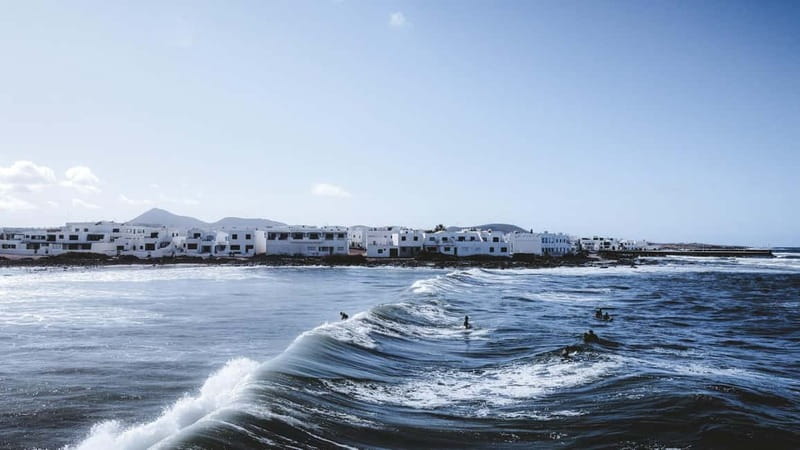
You’ll also appreciate the practical advantage of learning where conditions can be read and taught. In other words, the ocean isn’t treated like a mystery box. Safety and technique come first, then you try the movement pattern again and again with real feedback.
Your 2-hour or 4-hour lesson: what changes
Classes run from 2 to 4 hours, and that time is where the value lives. In a shorter session, you’re usually focused on getting the basics working: ocean positioning, paddling, popping up, and catching a first set wave (or at least getting repeat practice in the right spot). In a longer session, you have more chances to refine what you learned earlier, since you’re not rushing the process.
If you’re the kind of person who learns fastest by repeating the same skill immediately after feedback, longer can help a lot. If you just want a solid first taste, the shorter option can be the right call—especially if you’re also planning time around Lanzarote.
What’s included (and why it matters for beginners)
This school doesn’t make you solve the gear problem before you solve the surf problem. Your package includes surfboard and wetsuit, so you can show up ready to move. There’s also transport to the beach from the surf school, which saves energy and avoids the kind of “we’re late and stressed” start that kills momentum for new surfers.
The instruction team also brings credentials that you’ll feel in the structure of the lesson:
- a Certified ISA instructor
- a Certified RLSS instructor
For you, that usually means lessons follow a safer, more organized progression—especially at the start, when mistakes are easy and energy can run low.
Meet the instructors: 30+ years of coaching in plain language
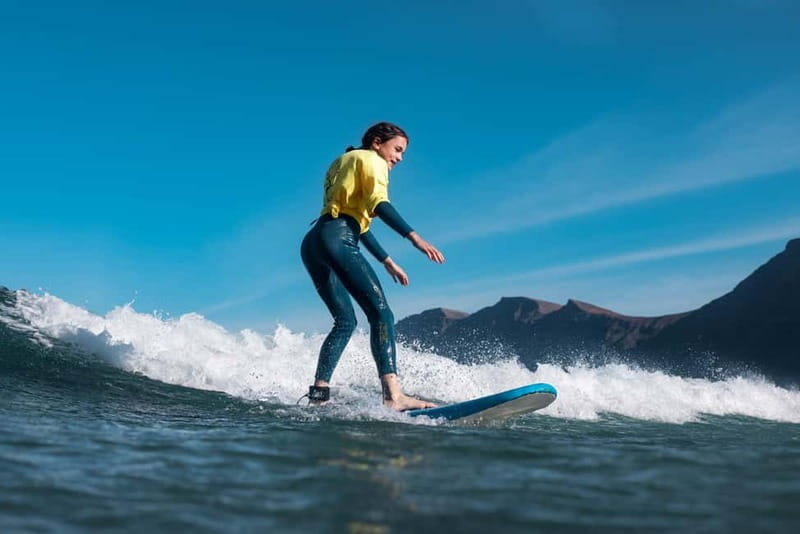
The biggest reason this surf school gets consistently strong marks is how coaching lands with students. The instructors don’t just tell you what to do—they keep explaining until it clicks.
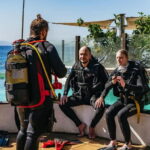
In one example, an instructor named Mattia kept close attention even when conditions felt more demanding. That’s the kind of detail that matters. When you’re new, currents or timing can be unsettling. You want someone who stays with the group and guides you through the process, not someone who gives a quick demo and hopes for the best.
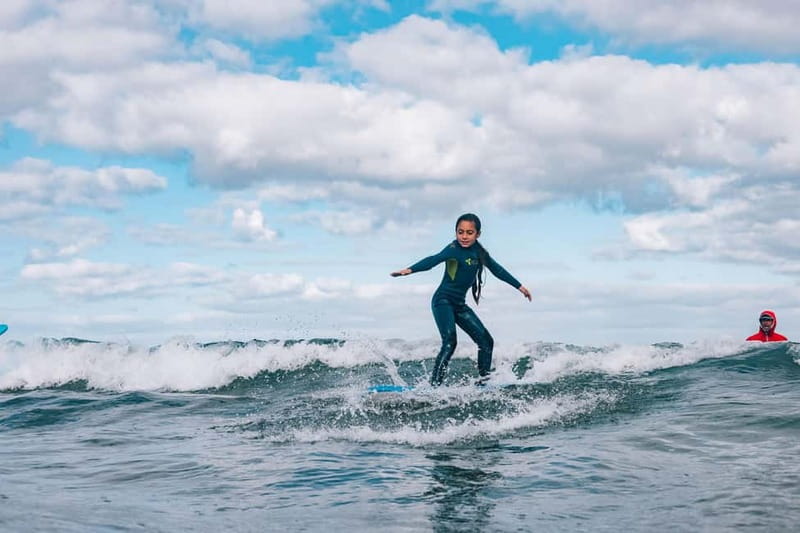
You’ll also see that patience is built into the approach. If you feel anxious about getting out there, you’re not expected to pretend you’re fearless. The lesson focuses on you getting comfortable step by step—first on land, then in the water.
Some more of what Lanzarote does well, hand-picked from our reviews
How the day flows: from meeting point to first wave attempts
You’ll start by meeting your instructor at the surf school, which is described as the very first surf school in Lanzarote. From there, the day moves toward Famara Beach with transport included.
Once you’re at the beach, expect a sequence like this:
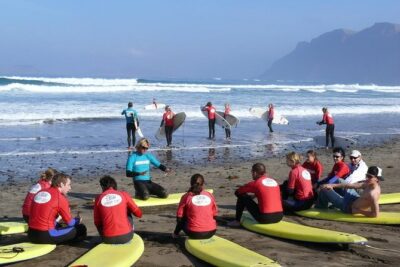
- Safety and ocean basics
You’ll go over the rules of being out there: how to move in and out, how to respect what the water is doing, and what to watch for so you don’t feel lost.
- Technique on land
This is where most beginners either learn or fail to learn. The best moments come when the instructor breaks the motion into understandable parts—especially paddling and the pop-up basics.
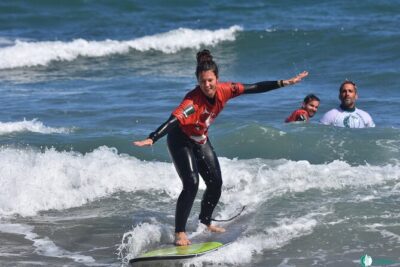
- Practice in the water
You try the skills with guidance close enough that you can correct quickly instead of repeating errors for hours.
- Wave selection and improvement (for intermediate surfers)
If you’re beyond the first-timer stage, the lesson shifts toward refining technique and making better choices about when to catch a wave.
That land-to-water structure is a huge part of why this experience works well for many skill levels.
Small group lessons (up to 8): the sweet spot for real progress
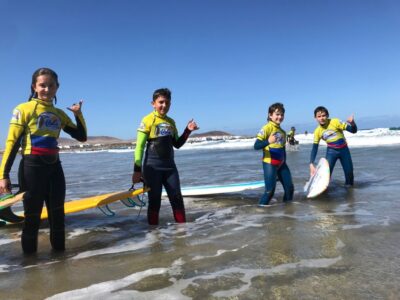
The group limit is 8 participants, which changes the entire feel of the class. In a big group, instructors can’t see everyone clearly, and students spend time waiting. With a small group, you get more moments where the instructor can correct your position, your timing, or your body angle before you drift too far into the wrong method.
It also keeps things social without turning it into a chaotic scene. You’ll share the stoke with other learners while still getting individual attention.
Beginner vs intermediate: choosing the right class level
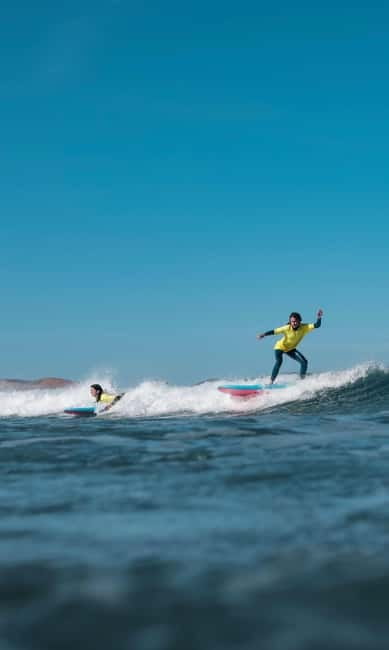
Choosing beginner or intermediate is not just about pride—it’s about how efficiently you learn.
Beginner class usually means:
- learning ocean safety basics
- practicing paddling
- learning how to stand up on the board
- catching your first waves (or getting close enough that it feels repeatable)
Intermediate class tends to focus on:
- refining technique
- improving wave selection
- working on more advanced movement goals
If you’re unsure which level fits, I’d lean toward beginner if you want a confident start. The instruction style is designed to help you feel comfortable before expecting you to perform.
Private lessons: faster feedback, less waiting
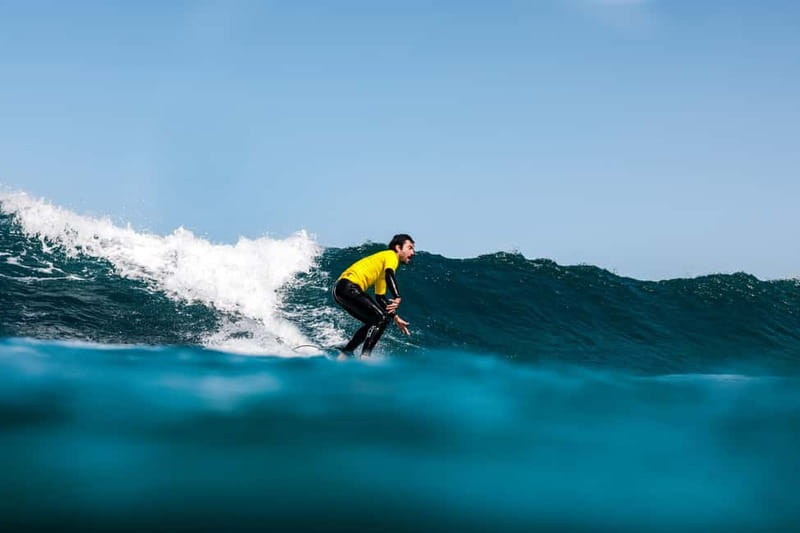
If you want the quickest path forward—or you just prefer less crowd energy—private lessons are available.
Private coaching is especially valuable if:
- you want feedback at the exact moment you make a mistake
- you’re improving a specific skill and don’t want to wait for the group rotation
- you prefer your learning pace without social pressure
It’s also a good fit if you’re traveling as a couple or a small family group and want one plan built around your goals.
Equipment and comfort: wetsuits, towels, and the not-so-glam reality
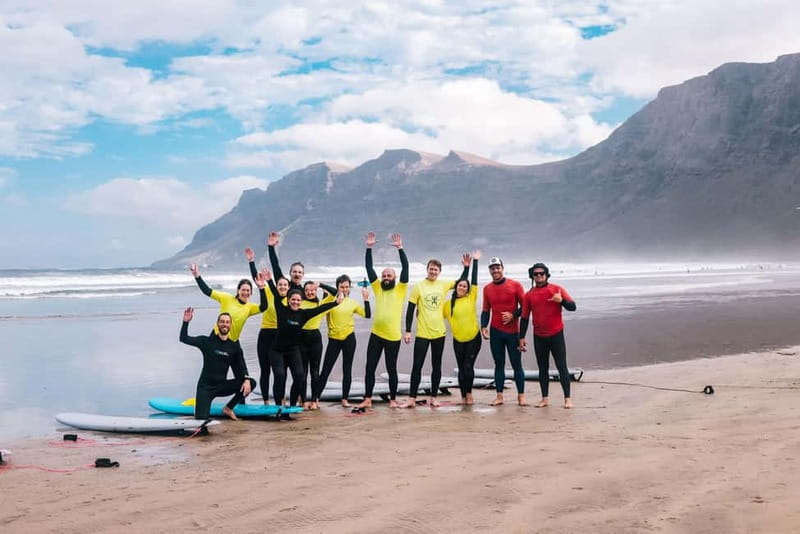
Surfing looks effortless until you’re trying it. The wetsuit helps you handle the water temperature and stay focused on your movement rather than shivering or draining yourself too fast. With boards and wetsuits included, you won’t waste time hunting for rentals.
What you should bring is basic but important:
- swimwear
- towel
- sunscreen
- water
Also, if you’re doing the longer option (the schedule mentions a break around 12 for lunch), plan ahead. Bring your own snack or lunch so you’re not relying on finding something last-minute. That small move keeps your energy steady for the second half.
Safety expectations: what the lesson does (and doesn’t) allow
This is an ocean activity, so safety is part of the lesson, not an afterthought. The school also spells out what’s not allowed: smoking and alcohol and drugs.
And you should respect the “not suitable for” line:
- people with heart problems
- non-swimmers
If you’re fit enough to swim and you’re ready to follow instructions, you’re the exact kind of participant this setup is built for.
Languages and communication: getting instructions you can trust
The coaching is offered in English, Spanish, Italian, and French. That matters more than you might think. Surf lessons depend on timing and clear correction. When you understand the instructions quickly, you correct faster—and progress feels real instead of frustrating.
Price and value: is $59 reasonable here?
At $59 per person for 2-hour or 4-hour classes, the value mostly comes from three things you get together:
- Certified instruction (ISA and RLSS)
- Equipment included (board and wetsuit)
- Transport included (from the surf school to the beach)
For beginners, that package saves money and stress compared with piecing together rentals and getting to the water on your own. For intermediate surfers, you’re paying for structured technique help, not just board time.
If you’re a first-timer, the biggest “value win” is the guidance. Surfing isn’t cheap to learn by trial and error. You pay here so you can spend your limited vacation hours doing the right repetitions.
Who this surf school is best for
This experience fits best if you:
- want to learn in a serious surf environment at Famara Beach
- like small-group learning (up to 8)
- want instruction that covers both safety and technique
- are traveling with friends or just yourself and want a guided way to enter the sport
It’s also a strong option if you’re nervous. Patient, clear coaching is part of the model, and instructors stay engaged as you practice.
If you’re not comfortable in open water or you don’t swim confidently, look for a different activity. The surf lesson is set up for people who can handle the demands of being in the ocean.
Practical tips so you don’t waste your first session
Here’s how to make the lesson feel smoother from the start:
- Arrive with swimwear ready to go and sunscreen applied.
- Bring a towel you can actually dry off with.
- Drink water before you head into the session. You’re working muscles you might not use often.
- If you’re doing the longer option with lunch time around 12, bring your own food so you’re not hunting.
- Don’t treat anxiety like a problem to hide. Treat it like a signal that you need more step-by-step reassurance, and use the instructor time you’re paying for.
Should you book this surf class?
I’d book it if you want a beginner-friendly, safety-focused way to learn with small-group attention and gear handled for you. The combination of certified instructors, quality equipment, and a real teaching structure makes it a dependable choice for your first day on a board.
I’d think twice if you fall into the “not suitable” category, or if you’re planning to ignore comfort and safety basics. Surfing is fun, but it’s still an ocean sport. The whole experience works best when you show up ready to listen, try, and repeat.
If your goal is a confident start at Famara Beach—plus the chance to improve technique instead of just getting wet—it’s a solid pick.
FAQ
Is this surf school good for beginners?
Yes. There are options for new surfers that include ocean safety, paddling, standing up, and catching first waves.
What’s included in the class price?
Your class includes a surfboard, a wetsuit, a certified ISA instructor, a certified RLSS instructor, and transport to the beach from the surf school.
Are the lessons small groups?
Yes. Group lessons are limited to 8 participants.
Can I book a private surf lesson?
Yes. You can choose between group lessons and private lessons.
What languages are the instructors available in?
Instructors can teach in English, Spanish, Italian, and French.
What should I bring with me?
Bring swimwear, a towel, sunscreen, and water.
Is it safe for non-swimmers or people with heart problems?
No. The activity is listed as not suitable for non-swimmers and for people with heart problems.
What’s the cancellation policy?
You can cancel up to 24 hours in advance for a full refund.
More Tour Reviews in Lanzarote




More Surf Days at Famara
Not quite right? More Lanzarote tours and day trips we have been out on


Famara Surf Lessons, compared.
 ★ 5.0Surf class in Famara 9:15-12:00 or 11:45-14:30 (2h class)From $60199 reviews
 ★ 5.0Surf lessons in Famara 9:15-14:30h (4 hours of class)From $84173 reviews
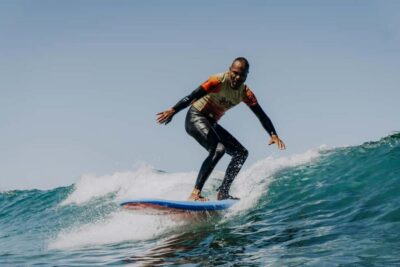 ★ 4.8Famara Beach Surfing Lesson for All LevelsFrom $57164 reviews
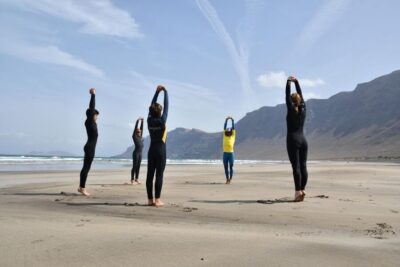 ★ 4.9Famara Beach: Surfing Lessons with VideosFrom $59147 reviews
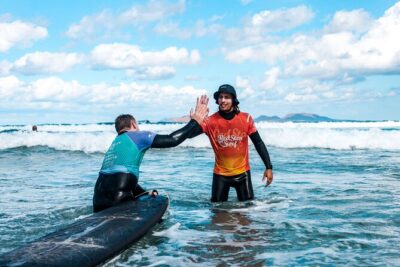 ★ 5.0Full Day Surf Lesson for Beginners in Famara, SpainFrom $84109 reviews
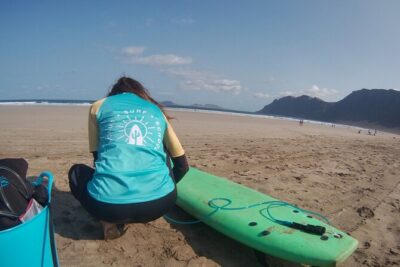 ★ 5.0Group and private surf classes with a Certified Instructor in LanzaroteFrom $6973 reviews
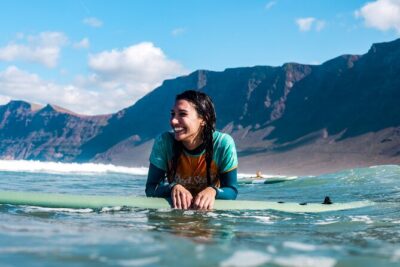 ★ 5.0Surf Lesson for Beginners in Famara: Introduction in SurfingFrom $6071 reviews
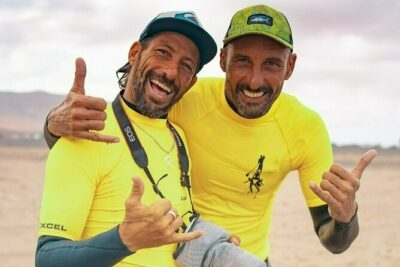 ★ 5.0Lanzarote Surfing SessionFrom $6064 reviews
Browse the lists this tour appears in